
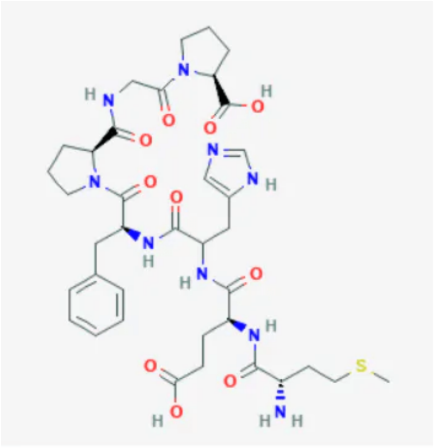
Oxytocin, a protein hormone found naturally in the body, plays vital roles in various physiological
processes such as sexual reproduction, childbirth, and bonding between mother and child
during breastfeeding. Recent studies suggest that oxytocin might have broader effects beyond
its traditional functions.
Emerging research indicates the potential benefits of oxytocin in enhancing cognitive
performance, reducing cardiovascular risk,and mitigating the impact of diabetes. Thesefindings highlight the multifaceted nature of oxytocin and its potential for diverse therapeutic
applications.
DISCLAIMER:
This PRODUCT IS INTENDED FOR RESEARCH PURPOSES ONLY. It is designed for in vitro
testing and laboratory experimentation exclusively. All the information provided on this website
is purely for educational purposes. Under the law, any form of bodily introduction of this product
into humans or animals is strictly prohibited. It is essential that only licensed and qualified
professionals handle this product. This product is not intended to be used as a drug, food, or
cosmetic. It must not be misbranded, misused, or mislabeled as such. Its purpose and usage
are solely confined to research and scientific investigation.
Description
Oxytocin Overview
Oxytocin is a hormone produced in the hypothalamus and released by the pituitary gland. It
plays a vital role in various physiological and psychological processes. Here is an overview of
what it is and what it does:
- Social bonding: Oxytocin is often called the “love hormone” as it promotes social
bonding, trust, and intimacy between individuals. - Reproduction: It plays a crucial role in childbirth by stimulating contractions of the
uterus during labor. It also aids in milk letdown during breastfeeding. - Parenting: This hormone helps foster maternal-infant bonding and facilitates caregiving
behaviors in parents. - Stress reduction: It has been found to reduce cortisol levels, promote relaxation, and
dampen the stress response. - Emotional regulation: This hormone can modulate emotional responses, promoting
feelings of empathy, compassion, and overall well-being. - Social cognition: Oxytocin can influence social cognition processes by enhancing facial
recognition and trustworthiness perception and improving social interactions. - Relationship satisfaction: Its levels tend to increase during positive social interactions,
contributing to feelings of satisfaction and contentment in relationships. - Health benefits: Oxytocin has been associated with potential health benefits such as
pain relief, reduced inflammation, improved wound healing, and cardiovascular health.
Oxytocin Structure
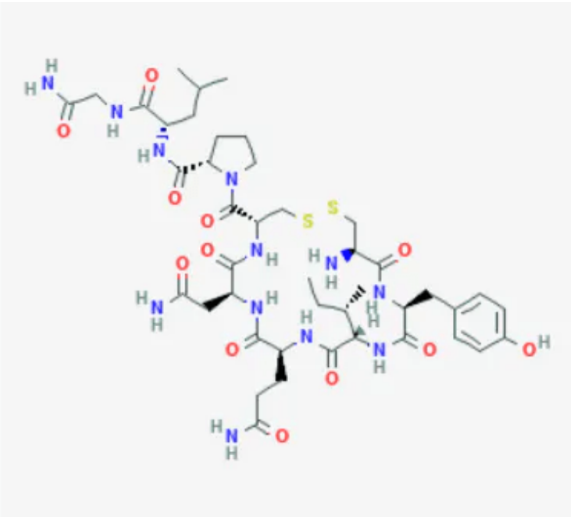
● Molecular Formula: C43H66N12O12S2
● Molecular Weight: 1007.193 g/mol
● PubChem CID: 439302
● CAS Number: 50-56-6
● Synonyms: Pitocin, Endopituitrina, Ocytocin
What Is Oxytocin?
Oxytocin is a peptide hormone composed of nine amino acids. It is produced in the
hypothalamus and released by the pituitary gland. As a peptide, it is a short chain of amino
acids linked together by peptide bonds. Oxytocin is synthesized from a larger precursor
molecule called preprooxytocin, which undergoes various enzymatic cleavages to form the
active hormone.
Once released into the bloodstream, oxytocin binds to specific receptors in target tissues,
triggering various physiological and psychological effects. Its role as a peptide hormone
allows it to facilitate social bonding, reproductive functions, stress reduction, and emotional
regulation.
Oxytocin in Wound Healing
Several studies have explored the role of oxytocin in the healing process:
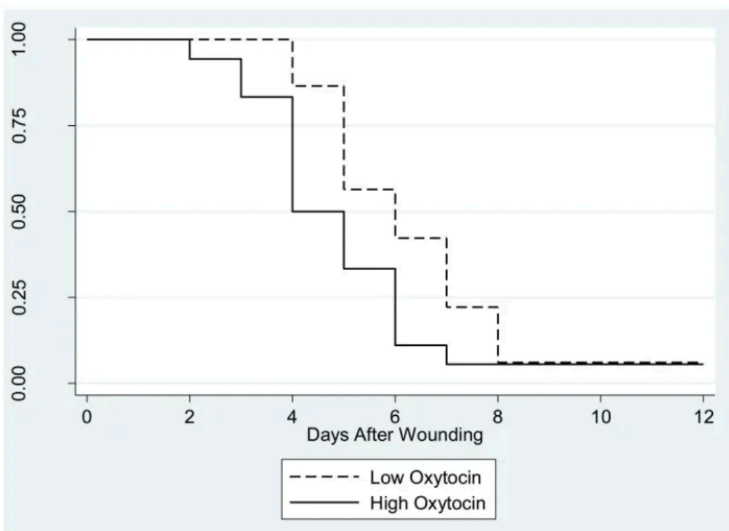
One study examined the relationship between marital behavior, oxytocin, vasopressin, and
wound healing. Scientists found that oxytocin levels were associated with faster wound healing
in married couples.
Another research explored the role of microbial symbionts in wound healing. It was found that
these symbionts accelerated wound healing, potentially through the involvement of oxytocin.
Comparison of time to escape a maze in male (A) and female (B) mice under stress. Oxytocin
returns escape latency to near the same levels of controls, apparently offsetting some of the
learning deficits caused by stress.
Source: PubMed
Studying Oxytocin in Cardiovascular Risk
Research on the potential role of oxytocin peptide in cardiovascular risk is an emerging study
area. While oxytocin is primarily known for its involvement in social bonding and childbirth,
recent research has suggested its potential effects on cardiovascular health.
Blood Pressure: Studies have shown that oxytocin may have a blood pressure-lowering
effect. It has been suggested that oxytocin promotes vasodilation and reduces peripheral
resistance, decreasing blood pressure levels.
Atherosclerosis: Some studies have indicated that oxytocin may play a role in regulating
inflammation and lipid metabolism, which are key factors in the development of
atherosclerosis. Oxytocin has been found to reduce pro-inflammatory cytokines and inhibit the
formation of foam cells, which are involved in the progression of atherosclerotic plaques.
Cardiac Function: Research suggests that oxytocin may have cardioprotective effects. It has
been shown to enhance cardiac contractility, improve myocardial function, and reduce oxidative
stress in animal models of heart failure.
Diabetes Management
While oxytocin is mainly involved in social bonding and childbirth, emerging research suggests
its potential effects on diabetes management.
Insulin Sensitivity: In animal studies, Oxytocin has been found to improve insulin sensitivity.
It may enhance the uptake and utilization of glucose by peripheral tissues, leading to better
blood sugar control.
Appetite and Food Intake: Oxytocin has also been implicated in the regulation of appetite and
food intake. Studies have shown that oxytocin can reduce food cravings, potentially helping
individuals with diabetes manage their dietary choices and weight.
Inflammation and Oxidative Stress: Diabetes is associated with chronic inflammation and
increased oxidative stress. Oxytocin has been shown to possess anti-inflammatory and
antioxidant properties, which could have potential benefits for individuals with diabetes.
Beta-cell Function: Oxytocin receptors responsible for producing insulin are present in
pancreatic beta cells. Some studies suggest that oxytocin may promote the survival and
function of beta cells, potentially protecting against their dysfunction or loss in diabetes.
Cognitive Performance
Working Memory and Executive Function
Research has shown that oxytocin can affect working memory and executive function. A study
published in the Journal of Cognitive Neuroscience found that oxytocin administration improved
working memory and executive control, which are important for decision-making,
problem-solving, and attention.
Delay of Gratification and Flexibility:
Oxytocin has been implicated in improving delay of gratification and cognitive flexibility. One
research found that oxytocin enhances the ability to delay gratification and exhibit cognitive flexibility, which is crucial for self-control and adapting to changing situations.
Comparison of time to escape a maze in male (A) and female (B) mice under stress. Oxytocin
returns escape latency to near the same levels of controls, apparently offsetting some of the
learning deficits caused by stress.
Source: PubMed
Memory Encoding
Another aspect of cognitive performance is memory encoding. Research has explored the
timing and conditions under which oxytocin influences memory encoding. A recent study
indicated that oxytocin administration may enhance memory consolidation and retrieval
processes, potentially improving overall memory performance.
Oxytocin Research and Anxiety
Research on oxytocin and anxiety has revealed that the oxytocin system may play a role in
human anxiety states and anxiety-related disorders. Studies have explored the acute and
chronic effects of oxytocin on various aspects of anxiety, including separation anxiety
disorder, specific phobias, social anxiety, and generalized anxiety disorder. The oxytocin
system’s involvement in anxiety has been examined through preclinical and clinical research,
highlighting its potential therapeutic applications.
One critical appraisal suggests that oxytocin may have both acute and chronic effects on
anxiety-related behaviors. It has been found to enhance trust, cooperation, and other
affiliative behaviors while reducing anxiety-like responses. Additionally, research has shown that oxytocin can improve delay of gratification and cognitive flexibility, which are important
factors in anxiety regulation.
Studies examining oxytocin levels in individuals with social anxiety disorder have indicated
potential alterations compared to healthy controls. However, findings related to oxytocin levels
and anxiety have not been consistent across all studies, warranting further investigation.
The oxytocin system’s role in anxiety disorders has been evaluated through translational and
therapeutic approaches. This research aims to understand the underlying mechanisms and
identify possible oxytocin-related biomarkers for anxiety and mood disorders.
Oxytocin Research and Hunger
Research on oxytocin and hunger has revealed intriguing insights into the effects of oxytocin on
eating behavior and appetite regulation. Studies have explored the role of oxytocin in appetite
loss, food intake control, and the potential use of oxytocin as an appetite suppressant.
One study found that oxytocin administration reduced reward-driven food intake without
significantly affecting hunger-driven food consumption. This suggests that oxytocin may play a
role in modulating food reward systems and influencing eating behavior.
Another review article discussed the effects of oxytocin on appetite regulation, food intake, and
metabolism in humans. It highlighted the potential role of oxytocin in hunger-driven eating,
satiety signals, and overall appetite management.
Additionally, research has indicated that oxytocin can curb calorie intake by promoting
food-specific increases in satiety. Oxytocin has also been shown to reduce reward-driven food
intake in humans, further supporting its potential as a regulator of eating behavior.
Furthermore, investigations into endogenous oxytocin levels have shown a relationship between
oxytocin and food intake. While the exact mechanisms are not fully understood, it is suggested
that central oxytocin pathways may be involved in macronutrient-specific regulation of food
intake.
Oxytocin and Old Muscle
Research has shown that oxytocin, often called the “trust hormone,” may benefit old muscle
tissue. Studies have indicated that intranasal oxytocin administration can improve lean muscle
mass and help rejuvenate aging muscles. Oxytocin release has been found to increase with
age and is associated with muscle maintenance. These findings suggest that regulating
oxytocin levels could potentially help prevent age-related declines in muscle tissue.
Please note that all the articles and product information provided on this website are intended
for informational and educational purposes only.
The products offered on this platform are specifically designed for in-vitro studies, meaning they
are conducted outside the body. It is important to clarify that these products are not medicines or
drugs, and the FDA has not approved them for the prevention, treatment, or cure of any medical
condition, ailment, or disease.
Article Author
The above literature was researched, edited and organized by Dr. Logan, M.D. Dr. Logan holds
a doctorate degree from Case Western Reserve University School of Medicine and a B.S. in
molecular biology.
Scientific Journal Author
Dr. Gouin, a clinical psychologist, holds a Canada Research Chair in Chronic Stress and Health
and leads the Stress, Interpersonal Relationships, and Health Laboratory. His research program
investigates the impact of chronic stress on health and well-being. Specifically, they examine
risk and resiliency psychosocial processes (rumination, interpersonal relationship quality &
sleep quality) impacting the negative psychological and physiological consequences of
cumulative and chronic exposure to social and environmental stressors over the life course.
In this context, they are particularly interested in dyadic coping, how spouse work together to
deal with the stresses that both partners are facing and how spouses influence each other in
terms of emotional responses, health behaviors, and physiology. They are also interested in
identifying neurophysiological indicators of sensitivity to the social environment and vulnerability
to stress, with a particular emphasis on oxytocin and heart rate variability. The overarching goal
of these experimental, longitudinal and treatment studies is to develop and optimize
psychosocial interventions to improve resilience to chronic stress.
Dr. Gouin is being referenced as one of the leading scientists involved in the research and
development of Oxytocin. In no way is this doctor/scientist endorsing or advocating the
purchase, sale, or use of this product for any reason. There is no affiliation or relationship,
implied or otherwise, between Peptide Shop and this doctor. The purpose of citing the doctor is
to acknowledge, recognize, and credit the exhaustive research and development efforts
conducted by the scientists studying this peptide.
ALL ARTICLES AND PRODUCT INFORMATION PROVIDED ON THIS WEBSITE ARE FOR
INFORMATONAL AND EDUCATIONAL PURPOSES ONLY.
The products offered on this website are furnished for in-vitro studies only. In-vitro studies (Latin:
in glass) are performed outside of the body. These products are not medicines or drugs and
have not been approved by the FDA to prevent, treat or cure any medical condition, ailment or
disease. Bodily introduction of any kind into humans or animals is strictly forbidden by law.
Sources:
https://journals.plos.org/plosone/article?id=10.1371/journal.pone.0078898
https://www.sciencedirect.com/science/article/abs/pii/S0306453010000259
https://www.ncbi.nlm.nih.gov/pmc/articles/PMC6075739/
https://elifesciences.org/articles/61844
https://www.frontiersin.org/articles/10.3389/fnhum.2018.00349/full
https://www.sciencedirect.com/science/article/abs/pii/S000689931400078X
https://link.springer.com/chapter/10.1007/7854_2017_25
https://www.ncbi.nlm.nih.gov/pmc/articles/PMC5868755/
https://www.frontiersin.org/articles/10.3389/fendo.2019.00297/full
https://www.ncbi.nlm.nih.gov/pmc/articles/PMC8306733/
https://www.ncbi.nlm.nih.gov/pmc/articles/PMC8567747/
https://www.nature.com/articles/ncomms5082