
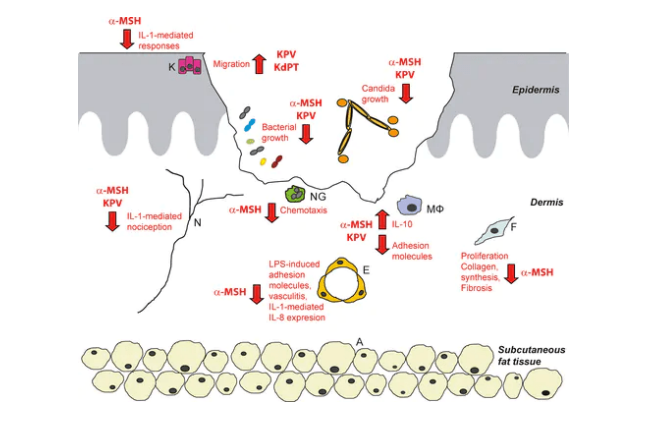
KPV has emerged as a highly promising peptide with potent anti-inflammatory properties,
showcasing significant potential in addressing various conditions. It has drawn particular
attention in the field of inflammatory bowel disease research. The safety and efficacy of KPV
have been demonstrated in animal studies, where it has been administered through multiple
routes such as oral, intravenous, subcutaneous, and transdermal methods. These diverse
administration approaches have provided valuable insights into the versatility of KPV.
Moreover, investigations into wound healing have shed light on the potential benefits of KPV
and its alpha-MSH derivatives. These studies indicate that KPV may contribute to accelerated
wound healing, reduction of infection risk, mitigation of inflammation, and enhancement
of cosmetic outcomes. KPV holds promise as a valuable therapeutic agent by influencing
these crucial aspects of wound healing.
WEIGHT: 10mg
DISCLAIMER:
This PRODUCT IS INTENDED FOR RESEARCH PURPOSES ONLY. It is designed for in vitro
testing and laboratory experimentation exclusively. All the information provided on this website
is purely for educational purposes. Under the law, any form of bodily introduction of this product
into humans or animals is strictly prohibited. It is essential that only licensed and qualified
professionals handle this product. This product is not intended to be used as a drug, food, or
cosmetic. It must not be misbranded, misused, or mislabeled as such. Its purpose and usage
are solely confined to research and scientific investigation.
Description
KPV (ACTH(11-13), alpha-MSH)
KPV, also known as ACTH(11-13) or alpha-MSH, is a peptide derived from the
adrenocorticotropic hormone (ACTH) and melanocyte-stimulating hormone (MSH). It
consists of the amino acids lysine (K), proline (P), and valine (V). KPV is a short peptide
sequence studied for its potential therapeutic properties in various fields, including
inflammation, pain modulation, and skin pigmentation.
In research, KPV has shown promising effects in regulating immune responses, reducing
inflammatory processes, and promoting tissue repair. Additionally, it has been investigated
for its potential role in managing chronic pain by modulating pain signals in the nervous
system.
Moreover, KPV might be involved in the regulation of skin pigmentation. As an analog of
alpha-MSH, it can stimulate melanocytes in the skin to produce melanin, the pigment
responsible for skin color. This property has led to its exploration of cosmetic and dermatological
applications.
KPV Peptide Structure
● Amino Acid Sequence: Lys-Pro-Val
● Molecular Formula: C16H30N4O4
● Molecular Weight: 342.43 g/mol
● PubChem CID: 125672
● CAS Number: 67727-97-3
● Synonyms: MSH (11-13), ACTH(11-13), alpha-MSH(11-13)
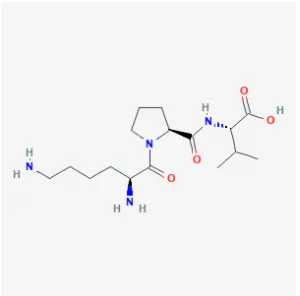
Source: PubChem
KPV and Intestinal Inflammation
The tripeptide KPV (Lys-Pro-Val) has been studied extensively for its potential role in reducing
intestinal inflammation. Numerous studies have explored the anti-inflammatory properties of
KPV and its effects on intestinal health.
Research has shown that KPV possesses anti-inflammatory properties, although the exact
mechanisms of action are still not fully understood. Oral administration of KPV has been found
to reduce the incidence of colitis induced by dextran sodium sulfate (DSS) and
2,4,6-trinitrobenzene sulfonic acid (TNBS), as evidenced by a decrease in pro-inflammatory
cytokine expression. These findings suggest that KPV may help alleviate inflammation in the
intestines.
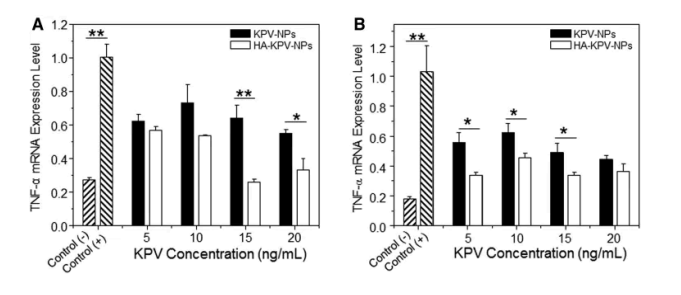
Source: PubChem
Furthermore, studies have investigated the involvement of the PepT1 transporter in the uptake
of KPV in intestinal epithelial and immune cells. This transporter plays a crucial role in the
absorption of tripeptides like KPV. The anti-inflammatory effect of KPV appears to be mediated,
at least in part, by the PepT1 transporter.
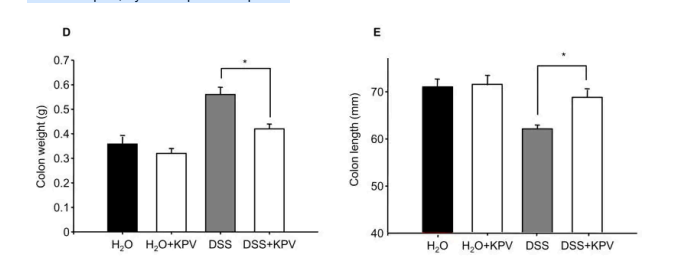
Source: PubChem
In animal models, KPV has demonstrated promising anti-inflammatory effects in murine models
of colitis. These effects are believed to be associated with the modulation of pro-inflammatory
cytokines and the reduction of intestinal inflammation.
It is worth noting that further research is required to fully understand the therapeutic potential of
KPV in reducing intestinal inflammation. Nevertheless, these studies highlight the potential of
KPV as a target for developing anti-inflammatory therapies for intestinal disorders.
KPV as a General Anti-Inflammatory Agent
KPV has been studied for its potential as a general anti-inflammatory agent. Although more
research is needed to fully understand its mechanisms of action, several studies have provided
insights into how KPV behaves as a general anti-inflammatory compound.
Inhibition of pro-inflammatory cytokines
KPV has shown the ability to inhibit the production and release of pro-inflammatory
cytokines such as interleukin-6, interleukin-1 beta, and tumor necrosis factor-alpha (TNF-α).
These cytokines play a crucial role in promoting inflammation. By suppressing their activity, KPV
may help reduce inflammation in various tissues and organs.
Modulation of immune responses
KPV has been found to modulate immune responses by affecting immune cell function. It can
regulate the activation and migration of immune cells, such as macrophages and T cells, which
are involved in the inflammatory process. This modulation of immune responses can contribute
to the overall anti-inflammatory effects of KPV.
Reduction of oxidative stress
Oxidative stress is known to contribute to inflammation. Studies have suggested that KPV
possesses antioxidant properties and can help reduce oxidative stress. By mitigating oxidative
stress, KPV may reduce inflammation and protect tissues from damage caused by reactive
oxygen species.
Inhibition of inflammatory enzyme
KPV has demonstrated the ability to inhibit the activity of enzymes involved in producing
inflammatory mediators, such as cyclooxygenase-2 (COX-2) and inducible nitric oxide
synthase (iNOS). These enzymes play a role in synthesizing prostaglandins and nitric oxide,
respectively, which are involved in inflammatory processes.
While these findings suggest the potential anti-inflammatory effects of KPV, it is important to
note that more research is needed to fully understand its mechanisms and evaluate its efficacy
in different inflammatory conditions. KPV as a general anti-inflammatory agent requires further
investigation and clinical trials to establish its safety and effectiveness.
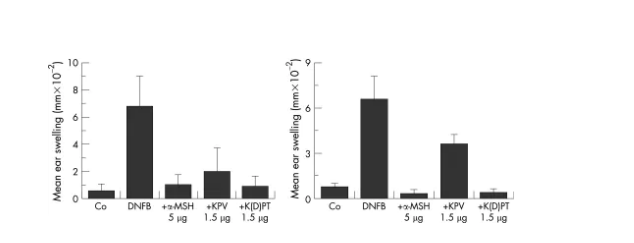
Source: PubChem
Wound Healing and KPV
Research suggests that the KPV peptide potentially benefits wound healing. Studies have
shown that KPV can speed up the wound healing process, reduce the risk of infection,
fight inflammation, and even lead to better cosmetic results. These findings indicate that
KPV may positively impact various aspects of wound healing.
One study explored the effects of KPV on mucosal healing in the treatment of ulcerative
colitis. It was found that KPV decreased the inflammatory response in the colonic
epithelial cells, suggesting its potential to enhance mucosal healing.
The pleiotropic effects of KPV and similar melanocortin peptides, such as
alpha-melanocyte-stimulating hormone (α-MSH), have been investigated in the context of
cutaneous wound healing. These peptides, including KPV, are considered potential modulators
of wound healing processes. They may regulate various phases of wound healing, leading to
improved outcomes.
While more research is needed to fully understand the mechanisms through which KPV
promotes wound healing, these studies highlight the potential therapeutic applications of KPV in
this area.
Scar Formation and KPV
Scar formation is a natural part of the wound-healing process. While KPV has shown potential
benefits in wound healing, its specific effects on scar formation are not yet well-established.
However, some studies suggest that KPV may be able to modulate certain factors involved
in scar formation.
One aspect of scar formation is the excessive deposition of collagen, which can lead to the
formation of raised or hypertrophic scars. Research has indicated that KPV and related
peptides, such as alpha-melanocyte-stimulating hormone (α-MSH), may help regulate collagen
synthesis and degradation. By modulating collagen production, KPV can influence scar
formation and potentially promote more favorable cosmetic outcomes.
Additionally, KPV has been studied for its anti-inflammatory properties, which could indirectly
impact scar formation. Inflammation plays a crucial role in both wound healing and scar
formation. By reducing inflammation, KPV may help minimize tissue damage and scar
formation.
It’s worth noting that further research is needed to fully understand the effects of KPV on scar
formation. The specific mechanisms and optimal dosage for scar reduction have not been
clearly defined. Individual responses to KPV may vary, and it should be used under the
guidance of healthcare professionals who can assess its suitability and efficacy for scar
management.
Source: Wiley Online Library
KPV versus Alpha-MSH
KPV and alpha-melanocyte-stimulating hormone are related peptides studied for their
anti-inflammatory properties. Here’s some information available when we compare KPV to
α-MSH:
Similar Anti-Inflammatory Properties
In various studies, KPV and α-MSH have demonstrated anti-inflammatory properties. The
carboxyl-terminal tripeptides of α-MSH, which include KPV, have been reported as minimal
sequences that can prevent inflammation.
Anti-Inflammatory Effects of Tripeptides
The C-terminal tripeptides of α-MSH, including KPV, have shown anti-inflammatory effects
similar to those of α-MSH. These tripeptides have been found to exhibit anti-inflammatory
properties, potentially contributing to the overall anti-inflammatory activity of α-MSH.
Potential Differences
While both KPV and α-MSH have anti-inflammatory effects, they may differ. Further research is
needed to fully understand the unique mechanisms and specific properties of each peptide. It
will be interesting to investigate whether KPV has antimicrobial actions similar to α-MSH.
Peptide Delivery and Stability
KPV is chemically stable and smaller in size compared to α-MSH, making it potentially
advantageous for peptide delivery. KPV has been used in formulations such as oral sprays for
its anti-inflammatory benefits.
Article Author
The above literature was researched, edited and organized by Dr. E. Logan, M.D. Dr. E. Logan
holds a doctorate degree from Case Western Reserve University School of Medicine and a B.S.
in molecular biology.
Scientific Journal Author
Didier Merlin, Ph.D. is a professor at Georgia State University and research career scientist at
Veterans Affairs Medical Center, Decatur, Ga. His research area is the study of intestinal
epithelia, as directly related to intestinal bowel disease (IBD). Over one million adults and
children in the U.S., including members of the VA population, suffer from IBD, and about 50,000
new cases are diagnosed each year. The VA IBD patients have a much higher rate of colorectal
cancer compared to the general population. New therapeutic strategies based on a better
understanding of the pathogenesis of IBD will improve the clinical care of veteran and
non-veteran patients with this disorder.
Didier Merlin is being referenced as one of the leading scientists involved in the research and
development of KPV. In no way is this doctor/scientist endorsing or advocating the purchase,
sale, or use of this product for any reason. There is no affiliation or relationship, implied or
otherwise, between Peptide Shop and this doctor. The purpose of citing the doctor is to
acknowledge, recognize, and credit the exhaustive research and development efforts conducted
by the scientists studying this peptide.
ALL ARTICLES AND PRODUCT INFORMATION PROVIDED ON THIS WEBSITE ARE FOR
INFORMATIONAL AND EDUCATIONAL PURPOSES ONLY.
The products offered on this website are furnished for in-vitro studies only. In-vitro studies (Latin:
in glass) are performed outside of the body. These products are not medicines or drugs and
have not been approved by the FDA to prevent, treat or cure any medical condition, ailment or
disease. Bodily introduction of any kind into humans or animals is strictly forbidden by law.
First discovered in 1996, kisspeptin is actually a family of peptides derived from the KISS1
gene. The most abundant members of this family in humans are kisspeptin 54, 14,13 and, our
today’s favorite, 10.
The Kisspeptin family, as a whole, was recently found to be the regulator of the mammalian
reproductive axis. Kisspeptin stimulates the secretion of gonadotrophin releasing hormone
(GnRH), which plays a crucial role in reproduction.
It also interacts with other neuropeptides, some of which are neurokinin B and dynorphin, known
to regulate the GnRH pulse generation.