
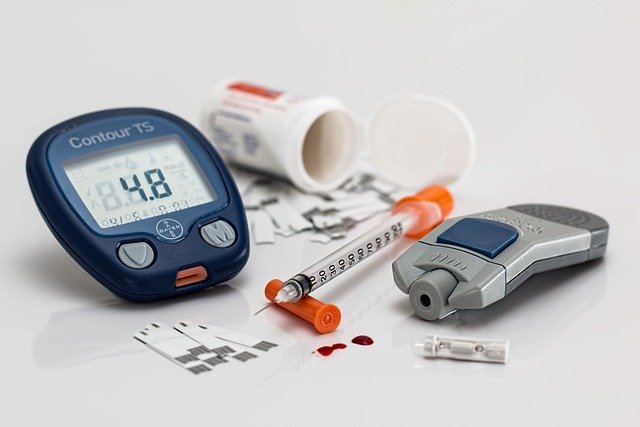
Semaglutide
Semaglutide, a powerful derivative of the natural peptide GLP-1, offers more than just blood
sugar control. Its unique properties have been studied for their potential benefits on lung,
heart, and liver function, as well as their potential in slowing or preventing the effects of
Alzheimer’s disease.
One of the remarkable features of Semaglutide is its ability to reduce appetite. By delaying
gastric emptying and decreasing intestinal motility, it can help curb cravings and promote
weight loss. Additionally, this GLP-1 analogue has shown effectiveness in stimulating insulin
secretion and suppressing glucagon secretion.
Semaglutide and GLP-1 Overview
GLP-1, short for glucagon-like peptide-1, is a hormone the intestines produce when food is
consumed. It is crucial in regulating insulin secretion, appetite, and glucose metabolism. GLP-1
stimulates the release of insulin from pancreatic beta cells, suppresses glucagon secretion, and
slows down gastric emptying.
These actions contribute to improved glycemic control and satiety. In addition to its physiological
functions, GLP-1-based medications, such as semaglutide, have been developed to treat type 2
diabetes. These medications aim to enhance the effects of GLP-1, helping to manage blood
sugar levels and support overall metabolic health. GLP-1 has also demonstrated
cardioprotective effects and may reduce the risk of cardiovascular complications in individuals
with diabetes.
Semaglutide Structure
Source: PubChem
Sequence: HXEGTFTSDVSSYLEGQAAK-OH.steric diacid-EFIAWLVRGRG
Molecular Formula: C187H291N45O59
Molecular Weight: 4113.64 g/mol
PubChem CID: 56843331
CAS Number: 910463-68-2
Synonyms: Semaglutide, Oxempic, Rybelsus, NN9535
Semaglutide and GLP-1 Research
The Incretin Effect of GLP-1
GLP-1 is an incretin hormone produced in the gut that transmits signals to pancreatic β cells.
Research suggests that GLP-1, along with another incretin hormone called GIP
(glucose-dependent insulinotropic polypeptide), has a significant role in transmitting signals from
the gut to the pancreatic β cells. Both GLP-1 and GIP have insulinotropic effects, meaning they
stimulate insulin secretion from the pancreas.
Semaglutide GLP-1 and Beta Cell Protection
GLP-1 is crucial in protecting pancreatic beta cells. Beta cells are responsible for producing and
releasing insulin, which helps regulate blood sugar levels. GLP-1 exerts several protective
effects on these beta cells:
● Enhanced insulin secretion: GLP-1 stimulates the secretion of insulin from beta cells,
helping to maintain optimal blood sugar control.
● Beta cell survival: GLP-1 helps protect beta cells from apoptotic cell death, promoting
their survival and preserving their function over time.
● Improved glucose sensitivity: GLP-1 enhances the ability of beta cells to respond to
glucose levels in the blood, ensuring that insulin is released appropriately.
● Preservation of beta cell mass: GLP-1 promotes beta cell proliferation, leading to an
increase in the overall mass of beta cells in the pancreas. This helps compensate for any
loss of beta cells and maintain insulin production.
Semaglutide GLP-1 and Appetite
GLP-1 and appetite are connected through several mechanisms. GLP-1 plays a role in appetite
regulation and weight maintenance by having actions on the gastrointestinal tract and directly
regulating appetite. When GLP-1 is released, it can create a feeling of fullness or satiety,
reducing hunger and food intake.
This effect on appetite is believed to be mediated through interactions with brain areas involved
in appetite regulation and reward. GLP-1 receptor agonists, which stimulates GLP-1 receptors,have been shown to promote satiety, reduce food intake, and potentially contribute to weight
loss efforts. Overall, GLP-1 and appetite are linked in a way that GLP-1 can help control
appetite and influence food intake, making it relevant in understanding hunger regulation and
potential strategies for managing weight.
It is important to note that this research is conducted on mice, allowing us to get a greater
insight before human trials begin.
Semaglutide Potential Cardiovascular Benefits of GLP-1
GLP-1 has been the subject of research regarding its potential cardiovascular benefits. Several
mechanisms have been identified that suggest GLP-1 may positively affect cardiovascular
health.
One mechanism is the direct action of GLP-1 on the heart and blood vessels. GLP-1 receptors
are present in the cardiovascular system, and activating these receptors can lead to
vasodilation (widening of blood vessels), reduced blood pressure, and improved cardiac
function.
Another important mechanism is the indirect effect of GLP-1 on metabolic factors. GLP-1 can
enhance insulin secretion and improve insulin sensitivity, which helps to regulate blood sugar
levels. By promoting better glucose control, GLP-1 may reduce the risk of developing conditions
like diabetes associated with an increased risk of cardiovascular disease.
In addition, GLP-1 may have anti-inflammatory and anti-atherosclerotic effects. Chronic
low-grade inflammation and the development of atherosclerosis are key contributors to
cardiovascular disease. Studies have suggested that GLP-1 may reduce inflammation and
inhibit the formation of plaques in blood vessels, potentially minimizing the risk of cardiovascular
events. These potential cardiovascular benefits have been researched on dogs.Size of damage in heart in control mice (A), mice given standard vasopressin therapy (B), and
mice give GLP-1 (C).
Source: Diabetes Journal
GLP-1 and the Brain
GLP-1, specifically the semaglutide variant, has shown promising evidence for its potential to
improve learning and protect neurons against Alzheimer’s. Multiple studies conducted on mice
have demonstrated positive effects of GLP-1 on associative and spatial learning, even in mice
with specific gene defects. Rats overexpressing the GLP-1 receptor in certain brain regions
displayed significantly improved learning and memory compared to normal controls.Additionally, research on mouse models suggests that GLP-1 can protect against excitotoxic
neuron damage, providing complete protection against glutamate-induced apoptosis in rat
models of neurodegeneration. GLP-1 has also been found to stimulate neurite outgrowth in
cultured cells. These findings have given researchers hope that further investigation into the
semaglutide variant of GLP-1 could reveal its potential to halt or even reverse certain
neurodegenerative diseases.
Another intriguing discovery from mouse models is that GLP-1, along with its analogue
exendin-4, has been found to reduce levels of amyloid-beta in the brain. Amyloid-beta is a key
component of Alzheimer’s disease plaques and is associated with disease severity. While the
impact of GLP-1 on amyloid-beta accumulation is still unknown, these findings provide
promising insights into potential interventions for the transition from mild cognitive impairment to
full-blown Alzheimer’s disease.
It’s important to note that GLP-1 shows some side effects and exhibits good subcutaneous
bioavailability in mice. However, we should emphasize that the dosage administered to mice
does not directly translate to humans. GLP-1 should only be acquired by licensed researchers
exclusively for educational and scientific research, as it is not intended for human consumption.
D. Dr. Logan holds a doctorate degree from Case Western Reserve University School of
Medicine and a B.S. in molecular biology.
Scientific Journal Author
In 1986 Professor Jens Juul Holst discovered the GLP-1 hormone in connection with his work
on stomach ulcer surgery. Since the discovery, Novo Nordisk have used the research to
successfully develop products to treat diabetes and obesity. The hormone GLP-1 can be used to
regulate blood sugar levels and satiety. Not only has it made treatment of obesity and diabetes
possible, it has also proven useful preventatively through early diagnosis for citizens who are at
risk of developing diabetes and obesity. In 2015, Jens Juul Holst received the prestigious
international Fernström prize for his research on GLP-1. He is one of the most cited researchers
in Europe, with over 1,200 published articles and citations in over 3,500 articles annually.
Professor Jens Juul Holst is being referenced as one of the
leading scientists involved in the research and development
of GLP-1. In no way is this doctor/scientist endorsing or
advocating the purchase, sale, or use of this product for any
reason. There is no affiliation or relationship, implied or
otherwise, between Peptide Shop and this doctor. The
purpose of citing the doctor is to acknowledge, recognize,
and credit the exhaustive research and development efforts
conducted by the scientists studying this peptide. Professor
Jens Juul Holst is listed in under the referenced citations.
About The Author
The above literature was researched, edited and organized by Dr. Logan, M.