
Tesamorelin, a remarkable analogue of growth-hormone-releasing hormone (GHRH), has
shown significant clinical efficacy in the treatment of HIV-associated lipodystrophy, a
condition characterized by abnormal fat distribution. This groundbreaking therapy targets
dysfunctional fat deposition, offering hope to individuals affected by this condition.
Scientists are also investigating its ability to enhance the health of peripheral nerves, which
play a crucial role in our body’s communication network. Another fascinating area of
investigation revolves around tesamorelin’s potential to slow the progression of mild
cognitive impairment.
This PRODUCT IS INTENDED FOR RESEARCH PURPOSES ONLY. It is designed for in vitro
testing and laboratory experimentation exclusively. All the information provided on this website
is purely for educational purposes. Under the law, any form of bodily introduction of this product
into humans or animals is strictly prohibited. It is essential that only licensed and qualified
professionals handle this product. This product is not intended to be used as a drug, food, or
cosmetic. It must not be misbranded, misused, or mislabeled as such. Its purpose and usage
are solely confined to research and scientific investigation.
Description
What Is Tesamorelin?
Tesamorelin is a synthetic peptide used in medicine for a specific purpose. It is classified as a
growth hormone-releasing hormone (GHRH) analog and is primarily used to stimulate the
production and release of growth hormone (GH) from the pituitary gland. This hormone is
crucial in various physiological processes, including growth, metabolism, and tissue repair.
This peptide is often prescribed to individuals with HIV-associated lipodystrophy. It helps
reduce excess abdominal fat, improving body composition and potentially enhancing insulin
sensitivity.
Tesamorelin Structure
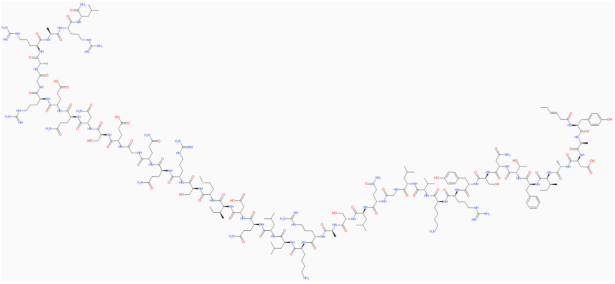
● Sequence (Single Letter):
Unk-Tyr-Ala-Asp-Ala-Ile-Phe-Thr-Asn-Ser-Tyr-Arg-Lys-Val-Leu-Gly-Gln-Leu-Ser-Ala-Arg-
Lys-Leu-Leu-Gln-Asp-Ile-Met-Ser-Arg-Gln-Gln-Gly-Glu-Ser-Asn-Gln-Glu-Arg-Gly-Ala-Arg
-Ala-Arg-Leu
● Molecular Formula: C223H370N72O69S
● Molecular Weight: 5195.908 g/mol
● PubChem CID: 44147413
● CAS Number: 901758-09-6
Tesamorelin Research
Tesamorelin and Lypodystrophy
Tesamorelin is a synthetic growth hormone-releasing factor that has shown promise in the
treatment of lipodystrophy, particularly in patients with HIV-associated lipodystrophy.
Lipodystrophy refers to changes in body fat distribution and metabolism that can occur as a
side effect of antiretroviral therapy for HIV.
Several studies have demonstrated the efficacy of tesamorelin in reducing central fat
accumulation and improving visceral adiposity in patients with HIV-associated lipodystrophy.
Clinical trials have shown that tesamorelin injections can significantly decrease visceral
abdominal fat and improve body image.
Furthermore, tesamorelin has been found to have minimal effects on CYP3A, an enzyme
involved in drug metabolism. This suggests that tesamorelin may not interfere with or be
affected by medications metabolized by CYP3A.
The U.S. Food and Drug Administration (FDA) has approved tesamorelin for the treatment
of lipodystrophy in patients with HIV. This approval was based on the positive results from
clinical trials showcasing the effectiveness of tesamorelin in reducing visceral fat and improving
lipid profiles.
Tesamorelin Investigated in Cardiac Disease
While tesamorelin has primarily been studied in treating lipodystrophy, there are also
investigations into its potential effects on cardiac disease. However, it is important to note
that long-term cardiovascular benefits have not been extensively studied.
One study found that lower visceral adipose tissue (VAT) and subcutaneous adipose tissue
(SAT) density, which can be improved by tesamorelin, were associated with lower levels of
adiponectin (a protein involved in regulating glucose and fatty acid metabolism) and increased
cardiovascular disease risk.
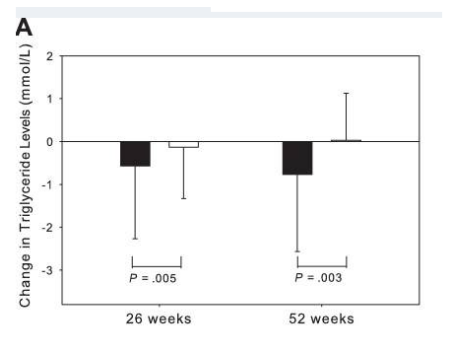
Changes in triglyceride levels of HIV-positive patients who respond to tesamorelin.
Source: PubMed
Additionally, another research suggested that tesamorelin may have a modest beneficial effect
on adiponectin and fibrinolytic markers in HIV patients with abdominal adiposity. It is
worth mentioning that the safety pharmacology studies for tesamorelin have explored its
potential effects on the cardiovascular system, among other systems.
Growth Hormone Deficiency and HIV
Growth hormone deficiency (GHD) can be a common complication in individuals with HIV
infection. HIV-associated lipodystrophy often includes GHD as one of its components.
In patients with HIV-associated lipodystrophy and GHD, growth hormone replacement therapy
(GHRT) has shown promising results in improving body composition and metabolic
parameters. GHRT can help increase lean body mass, decrease fat mass, and improve lipid
profiles. It has also been associated with improvements in bone mineral density and quality of
life.
However, it’s important to note that the use of GHRT in HIV patients should be carefully
evaluated and monitored, as there may be potential interactions with antiretroviral medications
and other comorbidities.
Growth hormone deficiency is a significant concern in individuals with HIV, and growth hormone
replacement therapy can be considered as a potential treatment option to address the
associated metabolic and body composition changes.
Tesamorelin for Peripheral Nerve Damage
Tesamorelin has been investigated for its potential use in peripheral nerve damage. Several
studies and clinical trials have assessed its efficacy in enhancing axonal regeneration and
improving functional outcomes following peripheral nerve injuries.
These studies suggest that GH-based therapies, such as tesamorelin, hold promise in the
treatment of peripheral nerve injuries due to their multi-modal mechanism of action.
Tesamorelin Investigated in Dementia
Exciting new evidence has emerged regarding the potential benefits of GHRH analogues,
including tesamorelin, in enhancing cognition among individuals in the early stages of
dementia. A groundbreaking study conducted at the University of Washington School of
Medicine shed light on the positive influence of tesamorelin and similar analogues on dementia
by modulating specific brain chemicals.
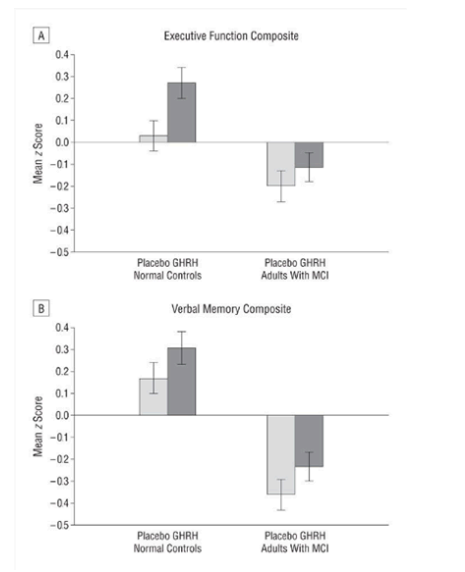
Tesamorelin improves both executive function and verbal memory in patients suffering from mild
cognitive impairment.
Source: PubMed
In this comprehensive twenty-week-long study, researchers employed a rigorous methodology
with randomized, double-blind, placebo-controlled design. The results pointed towards the
intriguing role of tesamorelin in increasing levels of gamma-aminobutyric acid (GABA) while
simultaneously lowering (MI) myo-inositol levels in the brain.
Please note that all the articles and product information provided on this website are intended
for informational and educational purposes only.
The products offered on this platform are specifically designed for in-vitro studies, meaning they
are conducted outside the body.
Article Author
The above literature was researched, edited and organized by Dr. Logan, M.D. Dr. Logan holds
a doctorate degree from Case Western Reserve University School of Medicine and a B.S. in
molecular biology.
Referenced Citations
Clinical Review Report: Tesamorelin (Egrifta). Ottawa (ON): Canadian Agency for Drugs and
Technologies in Health, 2016.
A. Mangili, J. Falutz, J.-C. Mamputu, M. Stepanians, and B. Hayward, “Predictors of Treatment
Response to Tesamorelin, a Growth Hormone-Releasing Factor Analog, in HIV-Infected
Patients with Excess Abdominal Fat,” PloS One, vol. 10, no. 10, p. e0140358, 2015. [PubMed]
ALL ARTICLES AND PRODUCT INFORMATION PROVIDED ON THIS WEBSITE ARE FOR
INFORMATIONAL AND EDUCATIONAL PURPOSES ONLY.
The products offered on this website are furnished for in-vitro studies only. In-vitro studies (Latin:
in glass) are performed outside of the body. These products are not medicines or drugs and
have not been approved by the FDA to prevent, treat or cure any medical condition, ailment or
disease. Bodily introduction of any kind into humans or animals is strictly forbidden by law.
Sources:
https://www.ncbi.nlm.nih.gov/pmc/articles/PMC3218714/
https://www.ncbi.nlm.nih.gov/pmc/articles/PMC3103937/
https://www.medscape.com/viewarticle/758381?form=fpf
https://www.healio.com/news/infectious-disease/20120225/fda-approves-tesamorelin-for-treatm
ent-of-lipodystrophy
https://www.ncbi.nlm.nih.gov/pmc/articles/PMC8243807/
https://www.ncbi.nlm.nih.gov/pmc/articles/PMC3673013/
https://www.ncbi.nlm.nih.gov/pmc/articles/PMC6735895/
https://www.ncbi.nlm.nih.gov/pmc/articles/PMC3739636/
https://pubmed.ncbi.nlm.nih.gov/20534975/
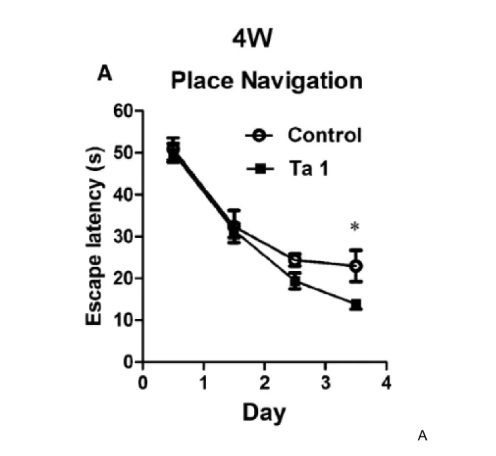
. 4-week-old mice given thymosin alpha-1 learn how to escape from mazes faster.
Source: PubMed
Thymosin Alpha-1 Fights Fungus
One of the ways Thymosin Alpha-1 fights fungus is by activating dendritic cells. These cells
are essential for initiating and shaping the immune response. By activating dendritic cells,
Thymosin Alpha-1 can enhance the body’s resistance to fungi such as Aspergillus, a common
cause of fungal infections.
In addition, research has shown that Thymosin Alpha-1 can effectively treat systemic Candida
albicans infections when combined with fluconazole, an antifungal agent. This suggests that
Thymosin Alpha-1 not only boosts the immune response but may also enhance the
effectiveness of other antifungal treatments.
It also targets Toll-Like Receptors (TLRs), stimulating the adaptive immune response
essential for fighting fungal infections. This action allows the immune system to recognize and
respond to specific pathogens, enhancing its ability to combat fungal infections.
Lastly, Thymosin Alpha-1 has been identified as an effective immunotherapy against fungal
diseases. This is particularly significant because many fungal infections are notoriously difficult
to treat, often due to the patient’s compromised immune system. By boosting immune function,
Thymosin Alpha-1 provides a promising approach to these challenging conditions.
Thymosin Alpha-1 and Hepatitis
Thymosin Alpha-1 (Tα-1), a potent immunomodulatory peptide, has shown promising results
in the treatment of chronic hepatitis B and C, according to various studies.
In chronic Hepatitis B (CHB), Tα-1 monotherapy has proven to be effective in minimizing
massive replication compared to untreated control or conventional interferon. This is
significant as controlling viral replication is key to stopping the progression of the disease.
A study published in BMC Gastroenterology indicated that combining Thymosin α1 and
Entecavir positively affected patients with HBV liver. Entecavir is an antiviral medication used to
treat hepatitis B infection in adults and children at least two years old.
Further research indicated that Thymosin alpha-1 therapy improved postoperative survival in
patients with liver cancer and chronic hepatitis B. This suggests that Tα-1 may not only help
combat the virus but also improve patient outcomes following surgery.
For the treatment of Hepatitis C virus (HCV), Thymosin alpha 1 has shown intrinsic activities
that might improve treatment outcomes. However, another study suggests that Tα-1 as a
monotherapy does not seem to be useful in treating hepatitis C infection, but it may show
promise when used in combination therapy.
Thymosin Alpha-1 and HIV
Thymosin Alpha-1 (Tα1), an immunomodulatory peptide, has been studied for its potential role
in treating Human Immunodeficiency Virus (HIV) infection.
One of the key challenges in treating HIV is the virus’s ability to suppress the immune system,
particularly T-cells, which are crucial for fighting off infections. This is where Tα1 comes into
play. It has been shown to increase Interleukin-2 (IL-2) receptors in lymphocytes in vitro, which
can help boost immune function.
A pilot study demonstrated that Tα1 was well-tolerated in a group of patients, aligning with other
clinical trials of thymosin. This suggests that Tα1 could potentially be used as a safe and
effective adjunct treatment for HIV.
Interestingly, it has been observed that thymosin α1 levels are elevated in individuals at risk for
AIDS, unlike in other immunodeficient states where it is usually depressed. This could
potentially indicate that Tα1 plays a role in the body’s response to HIV infection.
Furthermore, research indicates that Tα1, when combined with interferon-alpha 1 and
zidovudine (commonly used in HIV treatment), has been well-tolerated in HIV patients. This
combination therapy could potentially enhance the effectiveness of HIV treatment.
Another study showed that Tα1 potentiates the release of soluble factors in LPS-stimulated
CD8+ cells, which can inhibit HIV-1 infection. This indicates that Tα1 may have a direct
antiviral effect against HIV.
Thymosin Alpha-1 Research and Blood Pressure
A study published in the journal Food Chemistry explored the antioxidant property of Thymosin
Alpha-1 and its angiotensin-converting enzyme (ACE) inhibitory activity. ACE is essential in
the renal-angiotensin system (RAS), which regulates blood pressure and fluid balance. By
inhibiting ACE, Tα1 could potentially help to lower blood pressure.
In the context of COVID-19 treatment, Thymosin Alpha-1 was used to treat patients. Still, its
efficacy remains unclear, as one study pointed out that it was hard to maintain the mean
arterial pressure (MAP) at certain levels. The MAP is an important measure of perfusion
pressure in the body’s organs, and any alteration can have significant health implications.
Thymosin Alpha-1 Research and Cancer
Research has found that Thymosin Alpha-1 (Tα1) can slow down the growth and even cause
self-destruction of breast cancer cells. It does this by activating PTEN, a protein that helps
control cell growth. This activation blocks a pathway (known as the PI3K/Akt/mTOR pathway)
that cancer cells often use to multiply and survive. This suggests that Tα1 could potentially be
used as a therapeutic agent for treating breast cancer.
In addition to breast cancer, Tα1 has also been found to inhibit the growth of various other
cancers, including lung cancer, melanoma, gastric cancer, and leukemia.
Moreover, studies have indicated that a tumor-penetrating peptide modification could enhance
the antitumor activity of Tα1. This suggests that modifying Tα1 could potentially increase its
effectiveness in treating cancer.
Another interesting finding is that Tα1 has been shown to modulate immune responses, which
could be beneficial in cancer therapy. For example, it could affect subpopulations of Th1, Th2,
Th17, and regulatory T cells (Tregs) in vitro. These cells play important roles in regulating
immune responses, and modulating their activity could potentially improve the effectiveness of
cancer treatments.
Thymosin Alpha-1 Research and Inflammatory Pain
Thymosin Alpha-1 (Tα1) has demonstrated potential in alleviating inflammatory pain based on
several research studies.
A study published in the journal “Neuroscience Bulletin” found that Tα1 could inhibit pain and
the production of microglia-mediated pro-inflammatory cytokines in the spinal cord, using a
complete Freund’s adjuvant (CFA)-induced inflammatory pain model1.
Another study from “NeuroReport” indicated that Tα1 can attenuate inflammatory pain by
modulating the Wnt3a/β-catenin pathway in the spinal cord2. This pathway plays a crucial
role in various biological processes, including inflammation.
In another study concerning severe acute pancreatitis in rats, Tα1 was found to decrease
proinflammatory cytokines, which could help alleviate the associated inflammatory pain.
Additionally, a double-blind randomized control pilot study on the reimplantation of avulsed
teeth suggested that Tα1 could provide short-term and long-term benefits, including potentially
reducing pain and inflammatory markers.
Thymosin Alpha-1 and Cystic Fibrosis
Cystic fibrosis is an autosomal recessive disorder that leads to progressive damage to the
respiratory, digestive, and other systems of the body. It’s caused by mutations in the CFTR
gene, which produces a defective CFTR protein.
A study demonstrated that Tα1 displays multiple beneficial effects in CF by improving CFTR
maturation, stability, and activity1. The findings suggest that Tα1 could potentially help manage
CF by modulating the function of the CFTR protein.
Another research found that Tα1 exhibits multi-organ anti-inflammatory effects in a murine
model of CF2. These anti-inflammatory effects could be beneficial in managing the chronic
inflammation that is often associated with CF.
Damaged Teeth and Thymosin Alpha-1
Studies investigating the advantages of thymosin alpha-1 for avulsed (pulled out) and replanted
permanent front teeth demonstrate that the peptide can enhance the healing process of the
gums and soft tissue around the injury while also promoting the survival of the replanted
tooth[18]. Although further research is necessary, these findings suggest that thymosin alpha-1
holds significant potential in cases of traumatic tooth damage, potentially facilitating the rescue
of knocked-out teeth and offering valuable support to dentists in such situations.
The Future of Thymosin Alpha-1
Thymosin Alpha-1 (Tα1) has been studied for its potential benefits in dental health, particularly
in relation to tooth reimplantation.
In a double-blind randomized control pilot study on the reimplantation of avulsed teeth, Tα1
was found to provide short-term and long-term benefits, including potentially reducing pain
and inflammatory markers. The study suggested that Tα1 might improve outcomes for avulsed
teeth reimplantation, a dental emergency where a tooth is knocked out of its socket due to
trauma.
Avulsed teeth have a poor prognosis because the periodontal ligament cells that attach the
tooth to the bone are usually damaged or destroyed during avulsion. Preserving and revitalizing
these cells is critical for successful reimplantation. The study showed that Tα1 might help
reduce inflammation and pain after reimplantation, which could improve the prognosis.
Please note that all the articles and product information provided on this website are intended
for informational and educational purposes only.
The products offered on this platform are specifically designed for in-vitro studies, meaning they
are conducted outside the body. It is important to clarify that these products are not medicines or
drugs, and the FDA has not approved them for the prevention, treatment, or cure of any medical
condition, ailment, or disease.
Article Author
The above literature was researched, edited and organized by Dr. Logan, M.D. Dr. Logan holds
a doctorate degree from Case Western Reserve University School of Medicine and a B.S. in
molecular biology.
Scientific Journal Author
Allan L. Goldstein, MD, holds the distinguished position of Professor and Catharine B. & William
McCormick Chair in the Department of Biochemistry and Molecular Biology at The George
Washington University School of Medicine and Health Sciences, where he has been serving
since 1978. His involvement with thymosins dates back to the mid-1960s when he worked with
the Laboratory of Abraham White at the Albert Einstein College of Medicine in New York,
exploring the role of the thymus in vertebrate immune system development. Dr. Goldstein is an
esteemed authority in the field of thymus gland research and immune system functionality, and
he is one of the co-discoverers of thymosins.
Throughout his illustrious career, Dr. Goldstein has authored over 400 scientific articles in
esteemed professional journals, holds more than 15 U.S. patents as an inventor, and has edited
several books focusing on biochemistry, biomedicine, immunology, and neuroscience. His
contributions to scientific literature have earned him positions on the editorial boards of
numerous scientific and medical journals. He has also provided consultation to various research
organizations in both industry and government.
Beyond his academic work, Dr. Goldstein has made notable contributions in the establishment
of The Institute for Advanced Studies in Aging and Geriatric Medicine, a non-profit research and
educational institute. He serves as a member of the Board of Trustees of the Albert Sabin
Vaccine Institute and holds the position of Chairman of the Board of RegeneRx
Biopharmaceuticals.
Dr. Goldstein earned his B.S. degree from Wagner College in 1959 and completed his M.S. and
Ph.D. degrees at Rutgers University in 1964. He was a faculty member at the Albert Einstein
College of Medicine from 1964 to 1972 and subsequently joined the University of Texas Medical
Branch in Galveston in 1972 as a Professor and Director of the Division of Biochemistry.
It is important to clarify that Allan L. Goldstein, MD, is recognized as one of the leading
scientists involved in the research and development of Thymosin Alpha 1 and other Thymosins.
However, there is no endorsement or advocacy by this doctor/scientist for the purchase, sale, or
use of this product for any purpose. There is no affiliation or relationship, implied or otherwise,
between Peptide Shop and Dr. Goldstein. The reference to Dr. Goldstein serves solely to
acknowledge, recognize, and credit the extensive research and development efforts conducted
by scientists studying this peptide. Dr. Goldstein’s contributions can be found in the referenced
citations [7].
Referenced Citations
- R. King and C. Tuthill, “Immune Modulation with Thymosin Alpha 1 Treatment,” Vitam.
Horm., vol. 102, pp. 151–178, 2016. - C. Zhang, J. Zhou, K. Cai, W. Zhang, C. Liao, and C. Wang, “Gene cloning, expression
and immune adjuvant properties of the recombinant fusion peptide Tα1-BLP on avian
influenza inactivate virus vaccine,” Microb. Pathog., vol. 120, pp. 147–154, Jul. 2018. - F. Pei, X. Guan, and J. Wu, “Thymosin alpha 1 treatment for patients with sepsis,” Expert
Opin. Biol. Ther., vol. 18, no. sup1, pp. 71–76, 2018. - G. Wang et al., “Immunopotentiator Thymosin Alpha-1 Promotes Neurogenesis and
Cognition in the Developing Mouse via a Systemic Th1 Bias,” Neurosci. Bull., vol. 33, no.
6, pp. 675–684, Dec. 2017. - L. Romani et al., “Thymosin α 1 activates dendritic cells for antifungal Th1 resistance
through Toll-like receptor signaling,” Blood, vol. 103, no. 11, pp. 4232–4239, Jun. 2004. - L. Romani et al., “Thymosin alpha1: an endogenous regulator of inflammation, immunity,
and tolerance,” Ann. N. Y. Acad. Sci., vol. 1112, pp. 326–338, Sep. 2007. - A. L. Goldstein and A. L. Goldstein, “From lab to bedside: emerging clinical applications
of thymosin alpha 1,” Expert Opin. Biol. Ther., vol. 9, no. 5, pp. 593–608, May 2009. - C. Matteucci et al., “Thymosin alpha 1 and HIV-1: recent advances and future
perspectives,” Future Microbiol., vol. 12, pp. 141–155, 2017. - C. Matteucci et al., “Thymosin α 1 potentiates the release by CD8(+) cells of soluble
factors able to inhibit HIV-1 and human T lymphotropic virus 1 infection in vitro,” Expert
Opin. Biol. Ther., vol. 15 Suppl 1, pp. S83-100, 2015. - J. Kharazmi-Khorassani, A. Asoodeh, and H. Tanzadehpanah, “Antioxidant and
angiotensin-converting enzyme (ACE) inhibitory activity of thymosin alpha-1 (Thα1)
peptide,” Bioorganic Chem., vol. 87, pp. 743–752, Jun. 2019. - J. Kharazmi-Khorassani and A. Asoodeh, “Thymosin alpha-1; a natural peptide inhibits
cellular proliferation, cell migration, the level of reactive oxygen species and promotes
the activity of antioxidant enzymes in human lung epithelial adenocarcinoma cell line
(A549),” Environ. Toxicol., May 2019. - M. Maio et al., “Large randomized study of thymosin alpha 1, interferon alfa, or both in
combination with dacarbazine in patients with metastatic melanoma,” J. Clin. Oncol. Off.
J. Am. Soc. Clin. Oncol., vol. 28, no. 10, pp. 1780–1787, Apr. 2010. - R. Danielli, E. Fonsatti, L. Calabrò, A. M. Di Giacomo, and M. Maio, “Thymosin α1 in
melanoma: from the clinical trial setting to the daily practice and beyond,” Ann. N. Y.
Acad. Sci., vol. 1270, pp. 8–12, Oct. 2012. - X. Shen et al., “Generation of a novel long-acting thymosin alpha1-Fc fusion protein and
its efficacy for the inhibition of breast cancer in vivo,” Biomed. Pharmacother.
Biomedecine Pharmacother., vol. 108, pp. 610–617, Dec. 2018. - F. Wang, T. Yu, H. Zheng, and X. Lao, “Thymosin Alpha1-Fc Modulates the Immune
System and Down-regulates the Progression of Melanoma and Breast Cancer with a
Prolonged Half-life,” Sci. Rep., vol. 8, no. 1, p. 12351, Aug. 2018. - Y. Xu et al., “Thymosin Alpha-1 Inhibits Complete Freund’s Adjuvant-Induced Pain and
Production of Microglia-Mediated Pro-inflammatory Cytokines in Spinal Cord,” Neurosci.
Bull., Feb. 2019. - L. Romani et al., “Thymosin α1 represents a potential potent single-molecule-based
therapy for cystic fibrosis,” Nat. Med., vol. 23, no. 5, pp. 590–600, May 2017. - P. F. Day, M. Duggal, and H. Nazzal, “Interventions for treating traumatised permanent
front teeth: avulsed (knocked out) and replanted,” Cochrane Database Syst. Rev., vol. 2,
p. CD006542, 05 2019. - M. Schmidt et al., “Design of a substrate-tailored peptiligase variant for the efficient
synthesis of thymosin-α1,” Org. Biomol. Chem., vol. 16, no. 4, pp. 609–618, 24 2018.
ALL ARTICLES AND PRODUCT INFORMATION PROVIDED ON THIS WEBSITE ARE FOR
INFORMATIONAL AND EDUCATIONAL PURPOSES ONLY.
The products offered on this website are furnished for in-vitro studies only. In-vitro studies (Latin:
in glass) are performed outside of the body. These products are not medicines or drugs and
have not been approved by the FDA to prevent, treat or cure any medical condition, ailment or
disease. Bodily introduction of any kind into humans or animals is strictly forbidden by law.